SCDATA
Update
SCDATA
Update
SCDATA
Update
SCDATA
Update
Abstract: This project performs a sourcing analysis for Tesla, Inc., focusing on the critical component of lithium-ion battery cells. Using global supplier intelligence, bargaining power assessment, and benchmarking frameworks, the study evaluates key suppliers including CATL, LG Energy Solution, Panasonic, BYD, Samsung SDI, and Northvolt. A weighted supplier scorecard is developed using criteria such as cost, quality, capacity, financial strength, sustainability, and logistics. Results show that CATL offers the best overall performance for Tesla’s global production network, while diversification toward Northvolt and LG Energy Solution is recommended to mitigate geopolitical and sustainability risks.
Sourcing Analytics
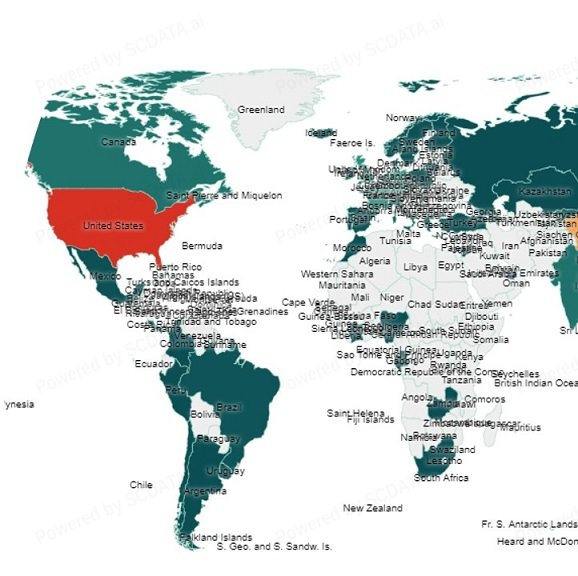
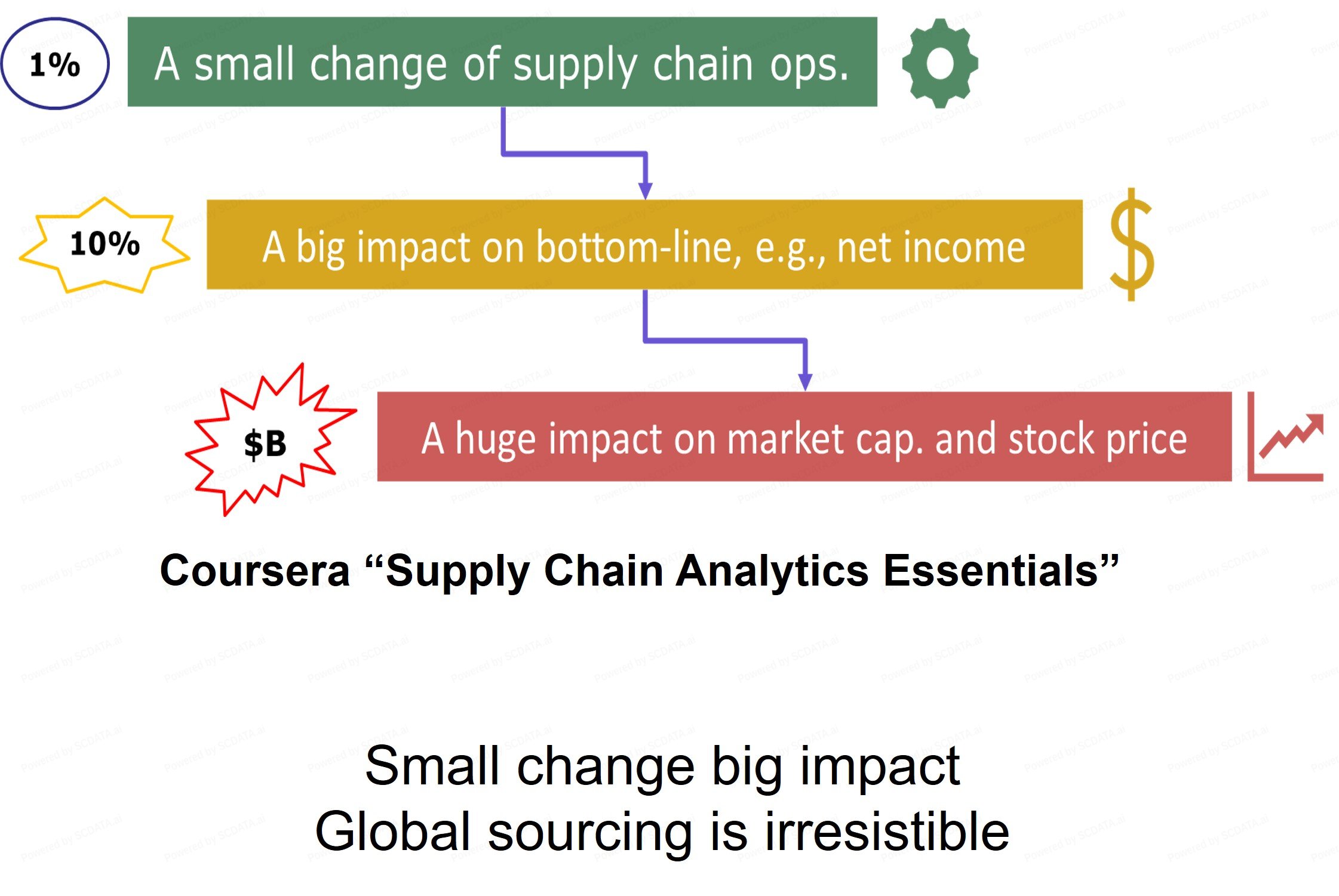
Explore and Select Suppliers Globally
Strategic Global Sourcing Analysis for Tesla's EV Battery Cells


Balance Benefit and Risk

Sourcing Analytics

Assessing Needs & Supplier Selection Criteria
Align supplier selection criteria with the firm’s strategic objectives

Assess Needs and Supplier Selection Criteria

Criterion |
Description |
Weight (%) |
|---|---|---|
Cost Competitiveness |
Price per kWh and total landed cost |
20 |
Quality & Technology |
Energy density, safety, innovation |
20 |
Capacity & Reliability |
Annual output and on-time delivery |
15 |
Financial Health |
Revenue, profitability, and debt ratio |
15 |
Sustainability & ESG |
Emission, recycling, and ethical sourcing |
15 |
Geographic & Logistics |
Distance to gigafactories, transport cost |
10 |
Strategic Partnership |
Long-term alignment and R&D synergy |
5 |

Lithium-ion Battery Cells for Electric Vehicles Supplier Selection Criteria
Technology, quality & supplying capability
1. Innovative & technological capability, quality
2. Production and supply chain capability
Cost savings
3. Pricing/profitability
4. Bargaining power
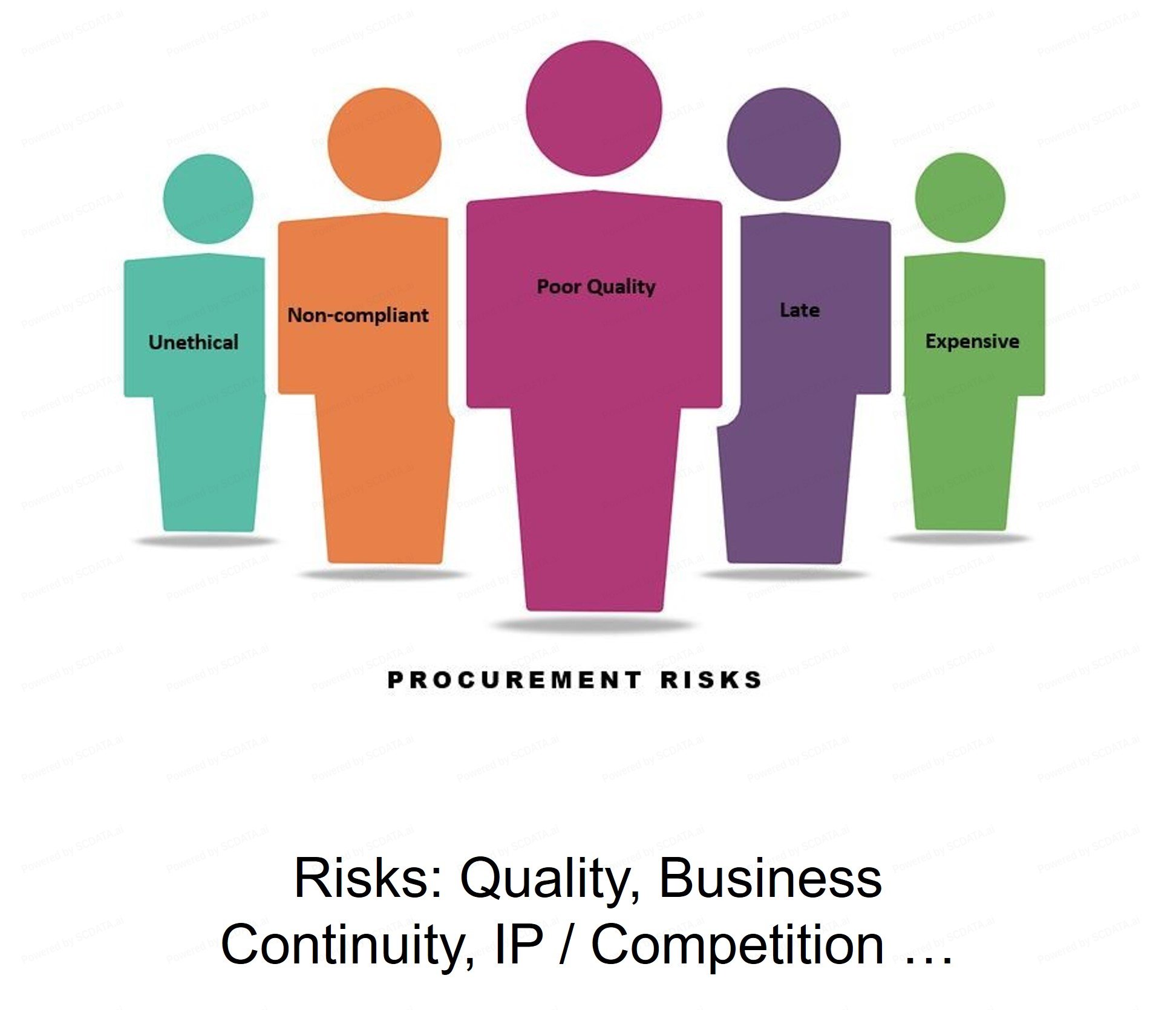
Risks
5. Financial health/robustness
6. Leaks & competition
...


Supplier Intelligence
Explore and identify potential suppliers globally

Supplier Intelligence

| Supplier | Country | Key Facts |
|---|---|---|
| CATL (Contemporary Amperex Technology Co. Ltd.) | China | World’s largest battery producer; supplies Tesla, BMW, Hyundai; strong R&D and cost efficiency |
| LG Energy Solution (LGES) | South Korea | High-tech NCM/NCA chemistry; strong quality and safety record |
| Panasonic Corporation | Japan | Long-term partner with Tesla; co-developer of 2170 cells used in Model 3 and Model Y |
| BYD Co. Ltd. | China | Vertically integrated EV and battery manufacturer; LFP blade battery technology |
| Samsung SDI | South Korea | Advanced NCA/NCM chemistry, strong financials, premium supplier for BMW and Rivian |
| Northvolt AB | Sweden | Sustainable battery production with renewable energy; emerging supplier to European OEMs |


Bargaining Power Analysis
What is my leverage? Who has the bargaining power?

| Force | Analysis |
|---|---|
| Supplier Power | Moderate–High. A few suppliers dominate global capacity, with high entry barriers and switching costs. |
| Buyer Power (Tesla) | High. Tesla’s large-scale demand makes it a priority customer with negotiation leverage. |
| Substitute Risk | Low. Solid-state batteries are not yet commercially viable at scale. |
| Industry Rivalry | High. Competition among CATL, LGES, Panasonic, and BYD drives innovation and price reductions. |
| Barriers to Entry |
Very High. Requires capital, R&D, quality certification, and safety standards. |

Leverage
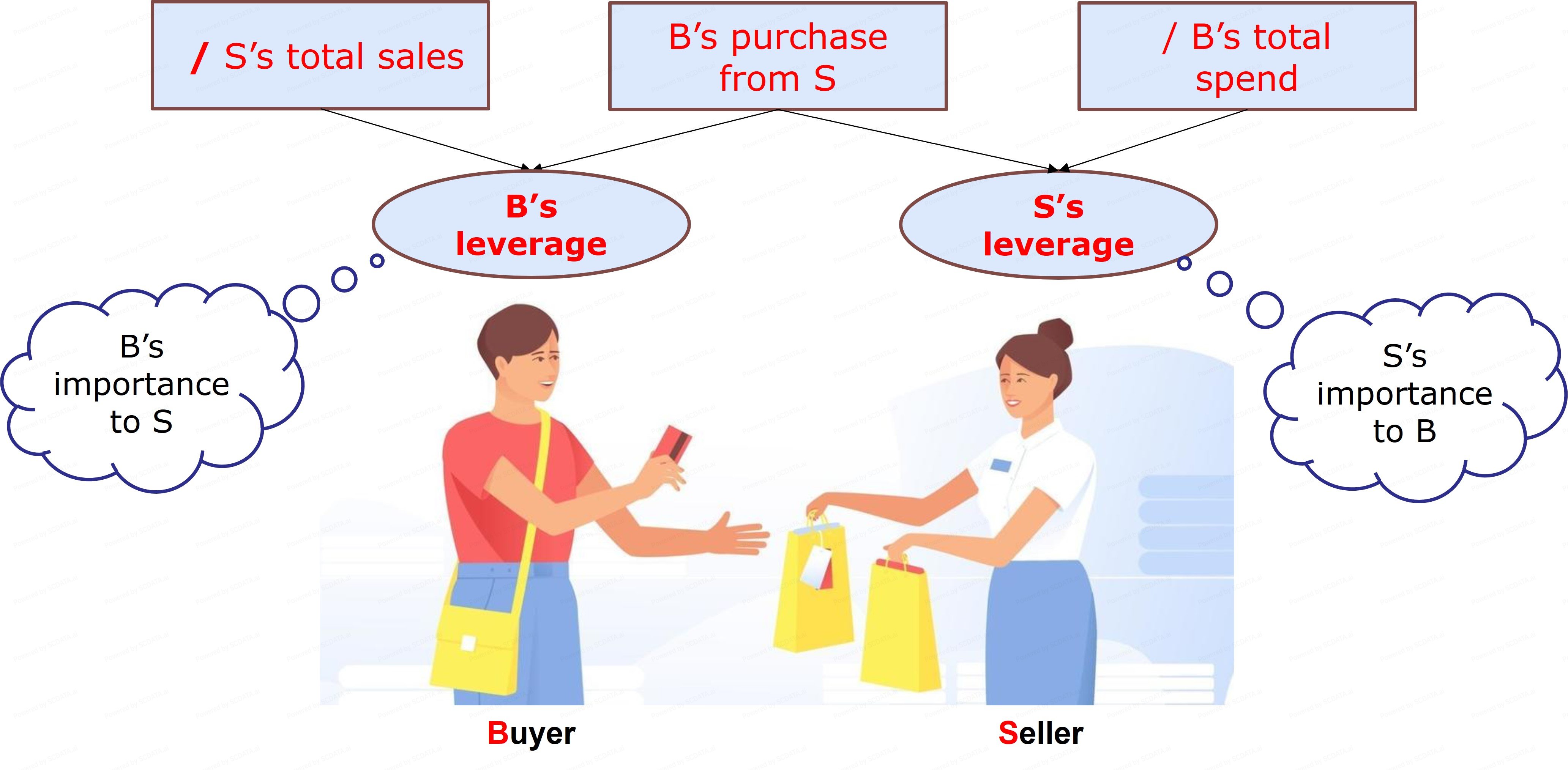

Bargaining Power Index (BPI)
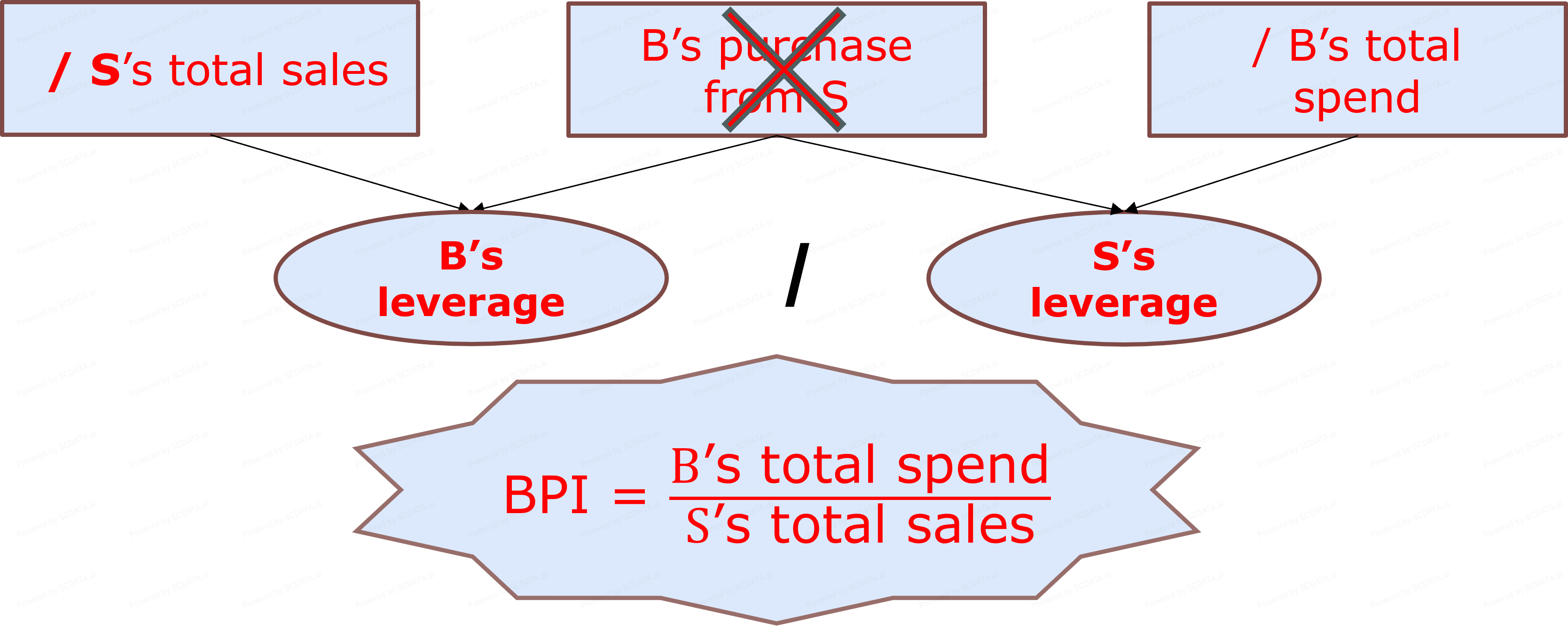
BPI << 1, supplier has power, vice versa

Supplier Benchmarking
Compare suppliers’ pricing, profitability, health and production capability

Supplier Benchmarking
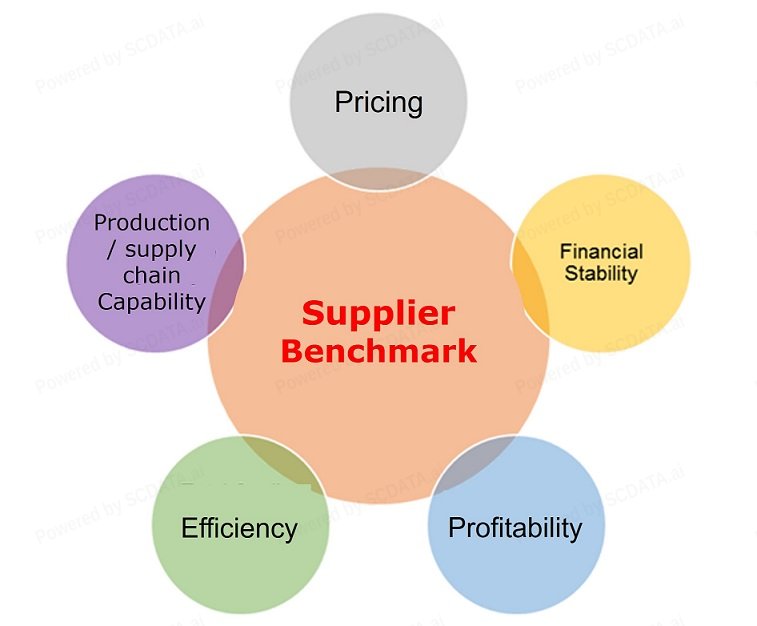

Pricing / Profitability Analysis


Financial Health Analysis: Short-term sweets vs. Long-term crisis
For critical parts, you need the suppliers to have a rock-solid financial health.


Production & Supply Chain Capabilities
Does the supplier have sufficient production capacity: PPE?

BYD shows the strongest PPE growth, from around $7.8B (2018) to over $40B (2024) — reflecting heavy investment in expanding EV and battery production capacity.
LG Energy Solution also demonstrates rapid growth, rising from about $6.6B (2020) to nearly $26B (2024), aligning with its global capacity expansion.
CATL’s PPE increased significantly after 2020, from $2.7B (2019) to $19.6B (2024), driven by its scaling to meet global EV demand.
Panasonic and Samsung SDI show more moderate PPE increases, reflecting their more established or diversified asset bases.
This ratio indicates how asset-heavy the firms are — higher values suggest more capital invested in manufacturing infrastructure.
LG Energy Solution’s ratio rose sharply from 0.41 (2020) to 0.64 (2024), indicating a strong manufacturing focus and expansion drive.
Samsung SDI also shows a steady rise to 0.44, signaling ongoing production investment.
BYD remains stable around 0.35–0.41, balancing manufacturing with other assets (like R&D and vehicles).
CATL, despite rapid PPE growth, maintains a low ratio (~0.18–0.21), meaning it’s asset-efficient or leverages external partners.
Panasonic shows a gradual decline, reflecting its shift toward service-oriented and diversified operations.
Leaders in investment intensity: BYD and LG Energy Solution.
Efficient asset utilizers: CATL and Panasonic.
Balanced growth: Samsung SDI, maintaining steady investment while optimizing asset use.
Overall, the PPE trend highlights aggressive capacity expansion by Chinese and Korean manufacturers to secure leadership in the global EV battery market.

Supplier |
Cost ($/kWh) |
Tech/Quality |
Capacity (GWh/yr) |
Financial Health |
ESG Rating |
Logistics |
Weighted Score |
|---|---|---|---|---|---|---|---|
CATL |
115 |
9/10 |
600 |
8/10 |
7/10 |
8/10 |
86 |
LG Energy Solution |
120 |
9/10 |
300 |
8/10 |
8/10 |
7/10 |
84 |
Panasonic |
125 |
9/10 |
200 |
9/10 |
7/10 |
9/10 |
82 |
BYD |
110 |
8/10 |
150 |
7/10 |
8/10 |
6/10 |
80 |
Samsung SDI |
130 |
9/10 |
100 |
9/10 |
8/10 |
7/10 |
81 |
Northvolt |
135 |
8/10 |
60 |
7/10 |
10/10 |
9/10 |
79 |
CATL outperforms peers on cost and capacity. LGES and Panasonic maintain strong technical and reliability advantages. Northvolt excels in sustainability but has limited production capacity.

Northvolt is a Swedish lithium-ion battery developer and manufacturer, often described as Europe's flagship response to the dominant Asian battery giants like CATL (China), LG Energy Solution (South Korea), and Panasonic (Japan).
Founded in 2016 by former Tesla executives Peter Carlsson and Paolo Cerruti, its mission is to build the world's **greenest batteries** to enable the transition to a decarbonized future.
Key Facts & Mission
* **Mission:** "To build the world's greenest battery with a minimal carbon footprint and the highest recycling rate to enable the European transition to renewable energy."
* **Headquarters:** Stockholm, Sweden
* **Gigafactories:** Primary production in Skellefteå, Sweden (**Northvolt Ett**) and under development in Heide, Germany (**Northvolt Drei**).
* **Slogan:** *"The future of energy is in our hands."*
Northvolt is a Big Deal
* Northvolt Ett (Skellefteå, Sweden): Their first and flagship gigafactory. It is currently in production and aims for an eventual annual capacity of 60 GWh, enough for approximately one million electric vehicles.
* Northvolt Drei (Heide, Germany): A planned third gigafactory focusing on even greater energy efficiency and sustainability. It is designed to be powered by local wind energy.
* Northvolt Zwei (Salzgitter, Germany): A joint venture with Volkswagen to produce battery cells, specifically for VW's electric vehicles.
* Revolt Ett (Skellefteå, Sweden): Europe's largest battery recycling plant, colocated with Northvolt Ett.
Major Customers and Partners
Northvolt has deep partnerships with major automotive and industrial companies, many of which are also investors.
* Volkswagen Group: A major investor and customer.
* BMW Group: A key customer and investor.
* Volvo Cars: A customer and joint venture partner for a dedicated gigafactory in Gothenburg, Sweden.
* Polestar: A customer committed to using Northvolt's sustainable batteries.
* Scania: For commercial vehicles.
* Fluence: For energy storage systems.
Challenges and Criticisms
Despite its success, Northvolt faces significant challenges:
1. Execution at Scale: Building and ramping up gigafactories to full production is a complex, capital-intensive, and time-consuming process.
2. Intense Competition: The global battery market is fiercely competitive, with established Asian players also expanding rapidly in Europe.
3. Supply Chain: Securing a sustainable and ethical supply of raw materials (lithium, nickel, cobalt) remains a critical challenge.
4. Economic Pressures: Rising energy costs, inflation, and potential shifts in EV demand could impact its ambitious timeline and financials.
Summary
Northvolt is more than just a battery company; it's a strategic European project. It represents the continent's ambition to lead in the green energy transition by creating a homegrown, sustainable, and competitive battery industry. While it faces immense challenges, its strong backing from major automakers, focus on circularity, and rapid progress have made it a key player to watch in the global clean tech landscape.

Supplier Score Sheets
Best supplier(s) meeting the selection criteria

Overall Scores (Weighted out of 100):
| Rank | Supplier | Score | Key Strength | Key Weakness |
|---|---|---|---|---|
| 1 | CATL | 86 | Scale, cost efficiency, R&D strength | High China dependency |
| 2 | LG Energy Solution | 84 | Technology, quality, U.S. expansion | Moderate capacity |
| 3 | Panasonic | 82 | Reliability, innovation | Higher cost |
| 4 | BYD | 80 | Cost advantage, LFP innovation | Limited external supply |
| 5 | Samsung SDI | 81 | Technology, safety record | Smaller scale |
| 6 | Northvolt | 79 | Sustainability, EU proximity | Limited scale, higher cost |


Sourcing Analytics